Warum automatische Untertitel an ungünstigen Stellen umbrechen
Warum automatische Untertitel an unnatürlichen Stellen umbrechen – und wie CaptionBolt einen lesbaren Entwurf erstellt, den Sie im Editor anpassen können.

Kevin Li
Da ist etwas, das mich monatelang gestört hat.
Du lädst ein Video hoch, in dem jemand sagt: „Ich bin gestern in den Supermarkt gegangen, um Eier zu kaufen."
Eine Unterteilung nach fester Wortzahl kann daraus Folgendes machen:
Zeile 1: „Ich bin gestern in"
Zeile 2: „den Supermarkt gegangen"
Zeile 3: „um Eier zu kaufen"
Lies das nochmal. „Ich bin gestern in" — in was? Dein Gehirn muss dieses Fragment im Arbeitsgedächtnis halten, bis die nächste Zeile erscheint. Es ist wie ein Buch zu lesen, bei dem jemand jede Zeile in zufälligen Abständen mit einer Schere zerschnitten hat.
Das ist das Problem der Untertitelsegmentierung. In einer kurzen Demo ist es leicht zu übersehen, wird aber deutlich, wenn eine Aussage unterbrochen wird, bevor genug Kontext vorhanden ist. Deshalb betrachten wir Untertitel als Bearbeitungsablauf und nicht als über das Video gelegtes Transkript.
Warum es schwieriger ist, als es aussieht
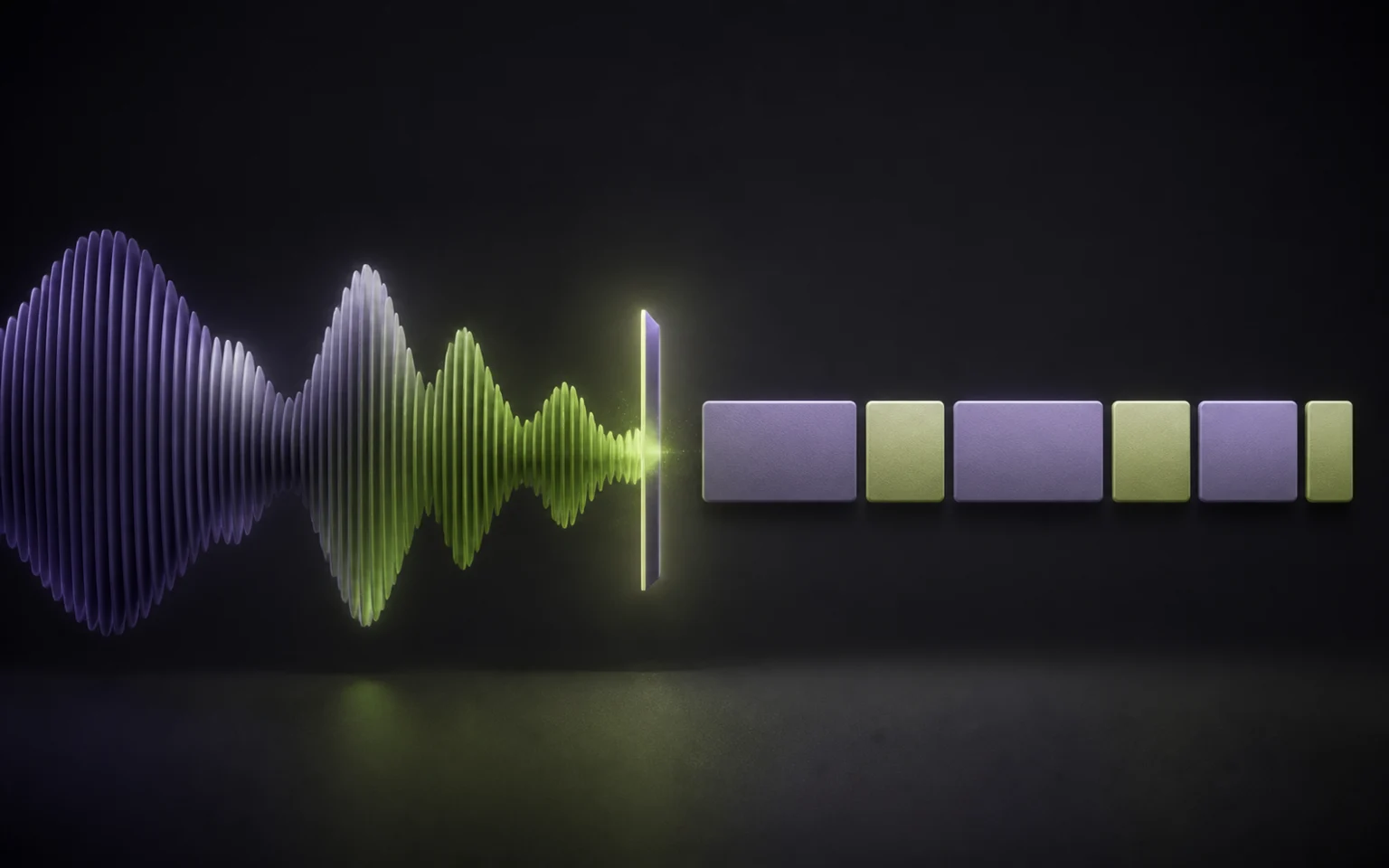
Eine Trennung nach einer festen Wortzahl ist konsistent, erzeugt aber oft unnatürliche Fragmente. Satzzeichen liefern bessere Kandidaten, doch automatisch erzeugte Zeichensetzung ist nicht immer korrekt. Auch das Timing hilft: Eine deutliche Pause kann einen natürlichen Umbruch anzeigen, ein kurzes Luftholen dagegen nicht unbedingt.
In der Praxis müssen diese Signale mit einer angenehm lesbaren Blocklänge ausbalanciert werden. Keine automatische Regel passt zu allen Sprechweisen und Sprachen, deshalb muss das Ergebnis leicht bearbeitbar bleiben.
Was wir heute verwenden
Wir haben die Segmentierung anhand einiger einfacher, überprüfbarer Signale verbessert:
Satzzeichen, wenn sie vorhanden sind. Ein klares Satzende ist ein guter Kandidat. Wir gehen nicht davon aus, dass jedes automatisch erzeugte Zeichen stimmt.
Deutliche Pausen im Timing. Ein merklicher Abstand zwischen Wörtern kann helfen, wenn Satzzeichen fehlen.
Eine feste Blocklänge. Der aktuelle Segmentierer trennt, sobald ein zusammengesetzter Block 60 Zeichen erreicht oder überschreitet. Satzzeichen oder Pausen können weiterhin kurze Fragmente erzeugen; deshalb bleibt das Ergebnis bearbeitbar und wird nicht als endgültig dargestellt.
Im Editor entscheiden Sie. Die Segmentierung ist ein erster Entwurf. Vor dem Export können Sie Text korrigieren und Blöcke teilen oder zusammenführen, wenn es besser zur Sprechweise passt.
Vorher / Nachher
Gleiches Transkript, alter Algorithmus vs. neuer:
Vorher:
„Also, was ich in letzter"
„Zeit so mache, ist dass ich"
„an diesem neuen Projekt"
„arbeite, worüber ich wirklich begeistert bin"
Nachher:
„Also, was ich in letzter Zeit so mache"
„ist an diesem neuen Projekt zu arbeiten"
„worüber ich wirklich begeistert bin"
Im Text wirkt der Unterschied klein. In diesem Beispiel lässt sich die neue Gruppierung im Sprechtempo leichter verfolgen, weil jeder Block eine vollständigere Wortgruppe enthält. Das ist nur ein Beispiel und kein Versprechen, dass eine Regel für jede Stimme oder Sprache den besten Umbruch liefert.
Warum das Problem leicht übersehen wird
Kurze Demos enthalten oft vorbereitete Sätze und nur wenige Untertitelblöcke. Längere, weniger geskriptete Sprache bringt mehr Kombinationen aus Satzzeichen, Pausen und Phrasengrenzen hervor, wodurch ungünstige Umbrüche auffallen.
Beim Testen von CaptionBolt mit eigenen Clips erkannten wir dieses Muster und richteten den Segmentierer an überprüfbaren Signalen aus. Die aktuelle Logik verwendet in dieser Reihenfolge Satzendzeichen, Pausen, die länger als 300 ms dauern, Gliederungszeichen und eine feste Grenze von 60 Zeichen.
Neue Uploads verwenden bereits diese Segmentierung. Behandeln Sie das Ergebnis als bearbeitbaren Entwurf: Prüfen Sie es im Editor und teilen oder verbinden Sie Blöcke, die nicht zur Sprechweise passen.
Verwandte Beiträge
Wenn du die praktische Seite dieses Problems sehen willst, lies wie man einem Video Untertitel hinzufügt oder wie man SRT-Dateien bearbeitet. Für konkrete Korrekturen nutze den automatischen Untertitelgenerator und den Untertiteleditor.